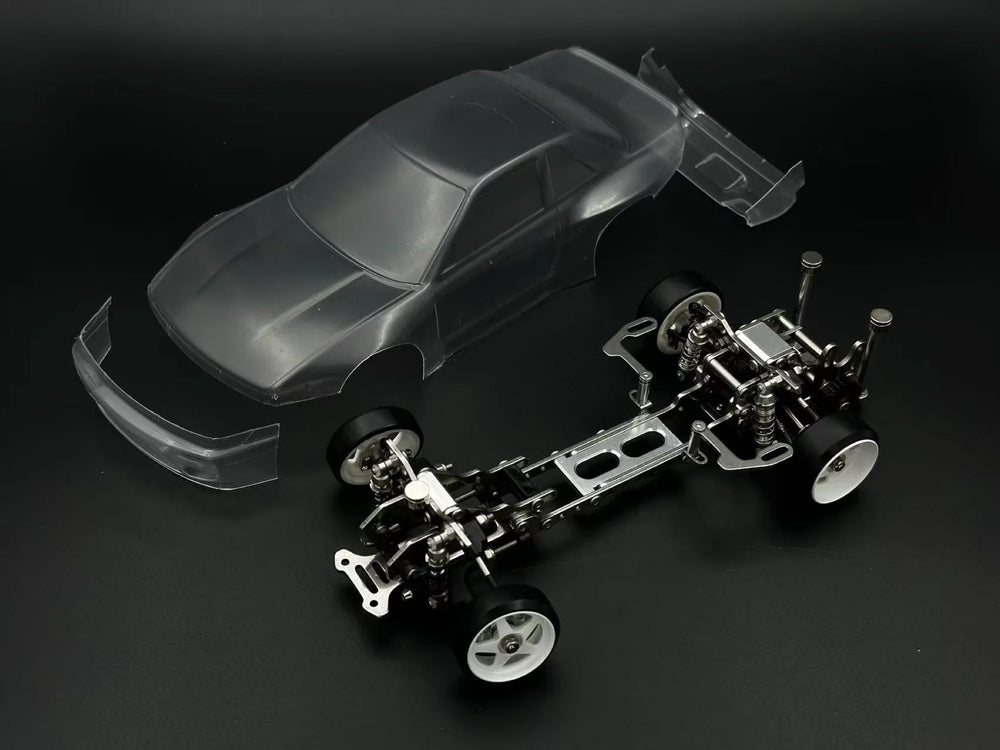
RC drift cars, spares and hop-ups — shipped from the UK
Built to bash.
Tuned to race.
Chassis kits, spares and hop-ups, drift tyres and wheels, electronics, bodyshells and paint — brought together in one catalogue and shipped from our Hertford workshop.

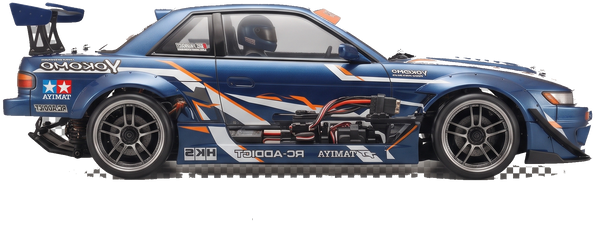
The departments.
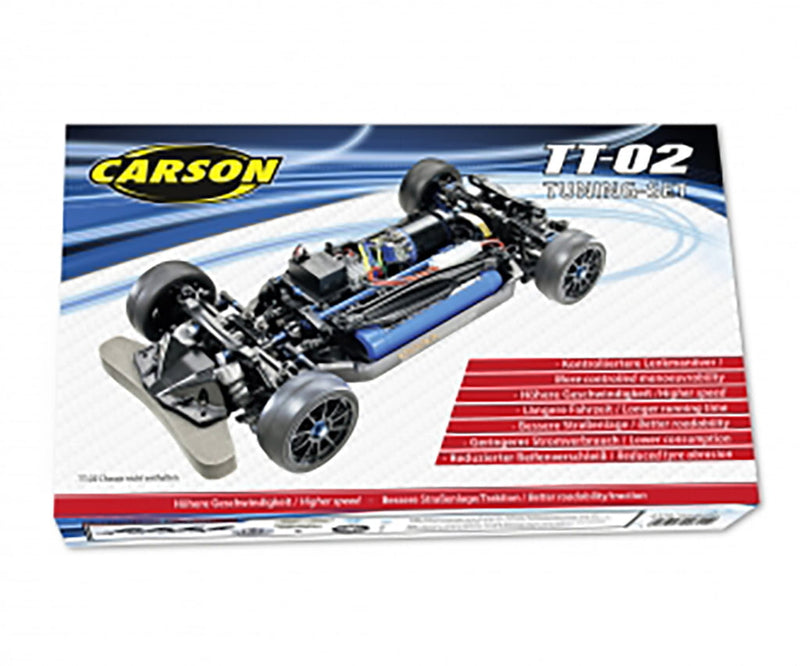
Which drift setup suits you?
Complete drift setups.
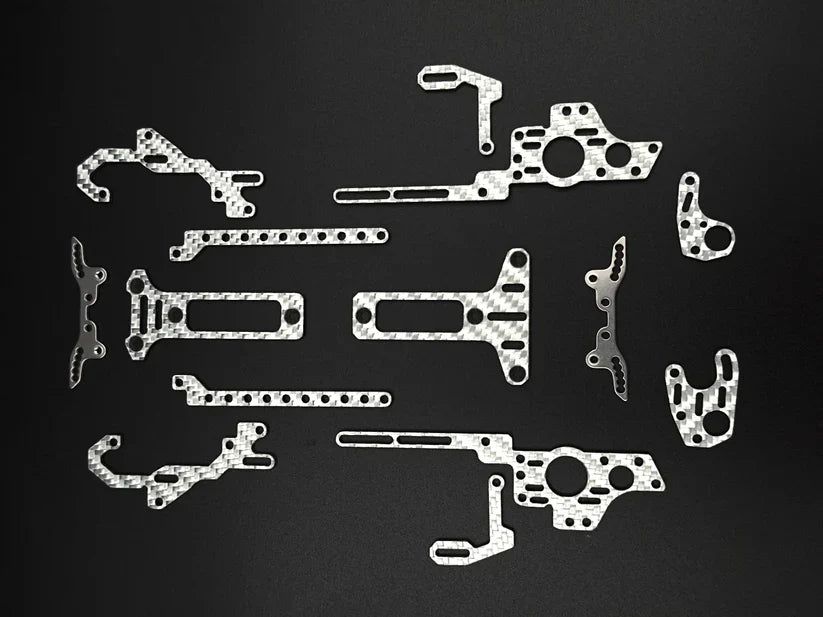
A 1/24 carbon car that drifts on a desk or a kitchen floor. Same technique as a full-size RWD, a fraction of the room.
- ChassisRhino Racing RTS 1/24 carbon chassis
- MotorRhino 1625 4500kv brushless
- ESCRhino 1625 15A 2S brushless
- ServoCore RC 4012 4kg digital
- GyroAFRC GYS-2 V4
- TyresRhino R500 1/24 drift tyres, 22mm
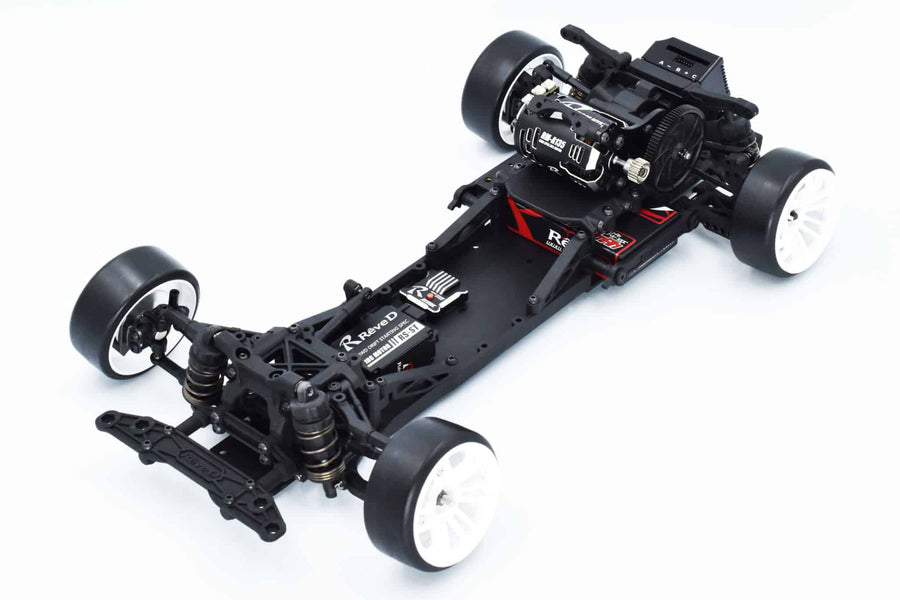
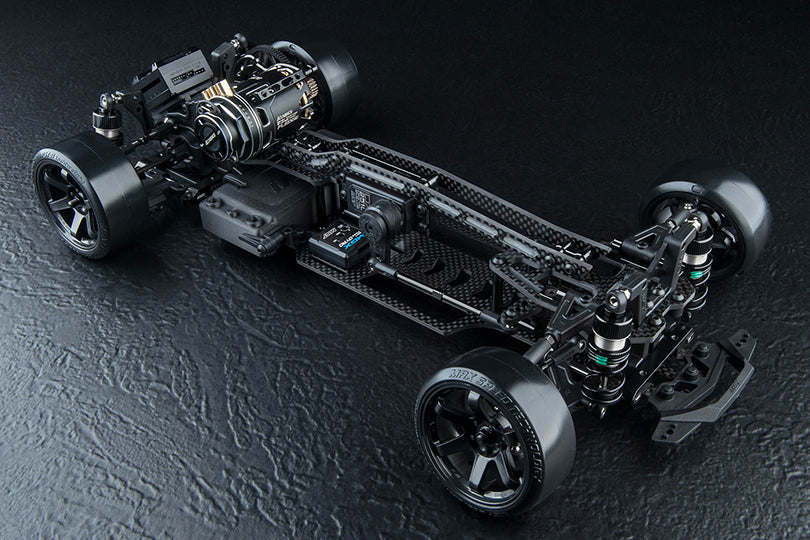
Your first full-size RWD drift car, complete. Forgiving geometry, gyro included, nothing left to buy but a battery.
- ChassisReve D RDX RWD drift car kit
- ESCHobbywing XERUN XR10 Justock G3 Handout Spec
- MotorYokomo ZERO-S drift spec 10.5T
- ServoMST B-07MG metal gear
- GyroAFRC GYS-2 V4
- TyresTOPLINE Sport Edition HDPE
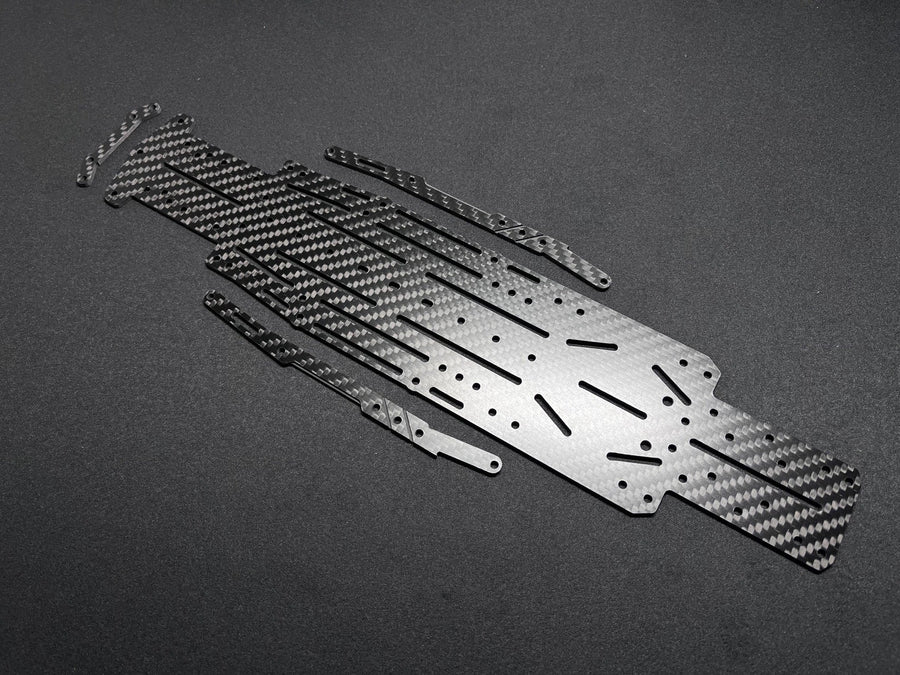
The starter car with the carbon conversion and electronics that keep up. Built for carpet and a full evening of runs.
- ChassisReve D RDX RWD drift car kit
- UpgradeTeam AD RDX carbon conversion 2.0
- ESCSkyRC Toro TS 120A alloy
- MotorOMG 540 EPIC 10.5T sensored
- ServoOMG PREDATOR low-profile brushless
- GyroOMG V6 Professional
- TyresYokomo DRC carpet competition
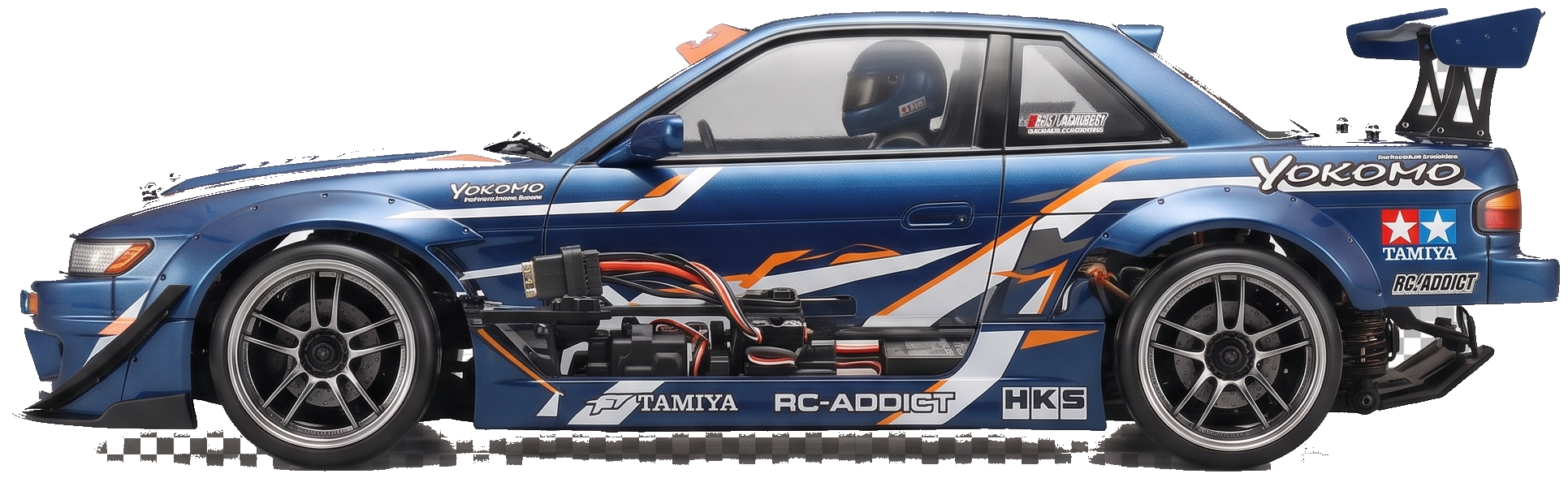
No compromises. Competition chassis, programmable brushless servo, telemetry-capable power and a comp-spec gyro.
- ChassisMST RMX 4 GT competition RWD kit
- ESCOMG POLARIS 160A sensored
- MotorMuchmore FLETA ZX V3 10.5T drift
- ServoReve D PRO programmable brushless
- GyroReve D REVOX RWD steering gyro
- TyresDS Racing Finix LF-5
Find spares for
your exact car.
The fleet — hand-picked.

Reve D RDX Stainless Steel Screw Set (138pcs) - D1-SS-SS1

YD-2 Front Bulk Head/Upper Arm Holder

YD-4/YD-2 Hard Bell Crank Post - Y4-201PB

YD-2/YD-4 Aluminum Adjustable Rear Short "H" Arm Black - Y2-008RASA

Yokomo 21mm Rod End Adaptor for Lower A Arm with Narrow Steering Block

Yokomo Lower A Arm Rod End Adapter (27mm) for YD-2/4 series Short Arm

YD-2 Aluminum 27mm Rod End Adaptor for Front Lower A Arm - D-156-27AA

YD-2 Hybrid Front Shock Tower (Graphite/Red) Y2-017AGRA

YD-2 Front Upper "A" arm/Rod End - Y2-008FUA

Yokomo Super Blend Shock Oil #650
What the paddock buys.


Fix your handling.
Won't hold angle
- Move weight forward — battery further towards the front bulkhead.
- Reduce rear tyre grip: harder compound, or widen the rear track.
- Add rear toe-in 0.5–1° for stability without killing rotation.
- Check gyro gain isn't fighting the slide — drop it 10%.
Spins out on entry
- Add rear toe-in, 1–1.5°, to settle the back end.
- Soften rear springs one step so the rear squats and loads the tyres.
- Move the battery back towards the rear bulkhead for rear bite.
- Raise gyro gain 5–10% at a time until the catch feels natural.
Won't turn in
- Check the steering end point — most kits leave 10° of unused throw at the knuckle.
- Add front camber, 1–2° negative, for more bite on turn-in.
- Move weight forward: battery, or brass on the front bulkhead.
- Fit fresh front tyres — compound goes glassy long before it looks worn.
Traction rolls
- Drop ride height 1mm front and rear before touching anything else.
- Stiffen the sway bars, front first, to cut body roll.
- Get mass low and central — battery flat, nothing ballasted high.
- Thicker shock oil slows the rate the car rolls over.
Wheel hop under power
- With the motor out, the drivetrain should spin freely by hand — notchiness is a bearing.
- Thinner rear shock oil so the tyres stay planted.
- Check driveshaft plunge; a shaft that binds at full droop causes hop.
- Back off rear toe slightly if you've overdone it.
Skittish over bumps
- Thinner shock oil, one step at a time — 100cSt is a noticeable change.
- Softer springs before you change anything geometric.
- Add droop so the wheels can extend down into dips.
- Check for a tweaked chassis — a bound corner can't absorb anything.
Pulls to one side
- Sit the car on a flat board — both front tyres should touch with equal pressure.
- Measure both steering turnbuckles; they must be identical lengths.
- Even up ride height corner to corner with shims or collars.
- Re-centre the servo horn at trim zero, rather than dialling in radio trim.
Motor overheating
- Drop 2 teeth on the pinion — the single biggest fix.
- Anything over 70°C on the can needs gearing down, not more fan.
- Fit or upgrade the fan and heatsink, and check it blows onto the can.
- Check spur mesh — too tight and the motor is loaded constantly.
ESC cutting out
- Check the LiPo cut-off matches your pack — set too high and it cuts early.
- Re-solder or replace tired connectors; a warm plug is a failing plug.
- Add a capacitor pack if you're running a low-turn motor.
- Load-test the pack — a cell that sags under load reads fine at rest.
Steering slow or weak
- Disconnect the link — the steering should fall side to side under its own weight.
- Check for a dry or notchy steering block bearing.
- A drift car wants 0.06s/60° or faster; touring can live with less.
- Fit a metal servo horn — a flexing plastic horn feels exactly like a slow servo.
Diff feels inconsistent
- Rebuild with fresh oil — used diff oil thins out long before it looks dirty.
- Front thicker than rear for on-power stability; start 30k front, 10k rear.
- Check for a cracked crosspin or a rounded outdrive.
- On a ball diff, retighten to just before the point it slips under power.
Drivetrain noisy
- Set spur/pinion mesh with a strip of paper trapped between the teeth.
- Spin each wheel off the ground — a rumble is a wheel bearing.
- Check belt tension: it should deflect a few mm, not sing.
- Replace rubber-sealed bearings every few months; they're a service item.
Body rubs the tyres
- Raise the body posts before you raise the car.
- Trim the wheel arches — most shells ship undersized for wider offsets.
- Check wheel offset; a lower offset pulls the tyre into the arch.
- Add a spacer under the body mount if the shell sits nose-down.
Short runtime
- Check pack internal resistance — anything climbing sharply is worn out.
- Gear down: a hot motor is wasted runtime.
- Storage-charge between sessions rather than leaving packs full.
- Balance-charge every time; one lazy cell drags the whole pack down.
Radio glitching
- Get the antenna tip vertical and clear of carbon — carbon blocks 2.4GHz.
- Keep the receiver away from the motor and the ESC power wires.
- Add a capacitor across the motor terminals if the glitch is throttle-related.
- Re-bind, and check for a chafed or broken antenna wire.
Tyres wearing unevenly
- Outside edge wearing means not enough negative camber.
- Inside edge wearing means too much — back it off 0.5°.
- Feathered edges mean toe is off; check both sides match.
- Rotate tyres front to rear to even out a set.
The brands we stock.
 YokomoDrift kingsShop ▸
 MSTCarpet weaponsShop ▸
 ARRMABash 6SShop ▸
 LosiBash & raceShop ▸
 Team AssociatedRace buggiesShop ▸
Ask us.
Tuesday – Friday, 10:00 – 17:00
Saturday and Sunday closed
support@rcshopper.com
Questions, answered.
A 1:10 rear-wheel-drive chassis, a steering gyro, drift tyres, a LiPo battery and a charger. That is the whole list.
Buy the battery and charger once — they carry over to every car you own afterwards, so treat them as a one-off rather than part of the car budget.
RWD. It is what the hobby and competition have settled on, and it is what you will see most people running.
4WD touring conversions still drift, but the technique does not transfer. If RWD is where you will end up, start there and skip the detour.
If you want to drive this weekend, buy an RTR. If you want to understand the car, build a kit — and most drifters end up wanting that.
Building it once teaches you where every screw lives, which makes trackside repairs far less painful. Kits also tend to adjust further and take upgrades more cleanly.
On RWD, yes. The gyro applies countersteer faster than any thumb can, and every RWD car you see running well has one.
It is not a cheat or a training aid — it is a required part of the drivetrain, the same as a servo.
Start around the middle and adjust in 5–10% steps, one change at a time.
Too high and the car twitches and hunts down the straights. Too low and it will not catch the slide — the rear steps out and keeps going. Chasing the setting in small increments beats jumping to an extreme.
Match the tyre to the surface. Harder compounds slide more freely and last longer on abrasive concrete; softer ones give more bite on smooth carpet or polished floors.
Buy at least two sets. Tyres are the single biggest influence on how the car behaves, and swapping them is the fastest way to change the feel without touching a screw.
Smooth, sealed and clean. Polished concrete, sealed wood, vinyl and low-pile carpet all work.
Avoid rough tarmac and anything gritty — it shreds tyres and packs dirt into the bearings and drivetrain. A dusty floor also kills grip unpredictably, which makes the car impossible to read.
A sensored brushless system in the 10.5T to 13.5T range is the usual starting point for 1:10 drift — enough speed to hold angle, not so much that it snaps away from you.
Lower turn numbers mean more power and more heat. If the motor is too hot to hold after a run, gear down before you buy anything else.
A 2S LiPo (7.4V) is standard for 1:10 drift. A shorty pack keeps weight central, which most drift chassis are designed around.
Use a balance charger every time, and storage-charge packs between sessions rather than leaving them full. A pack left fully charged for weeks will not last the season.
Start neutral and change one thing at a time: a little rear toe-in for stability, mild negative camber front and rear, and ride height even corner to corner.
Write down what you change and what it did. A setup sheet you actually filled in is worth more than any recommendation from the internet, because it is about your car on your surface.
The car and electronics are the bulk of it, then a battery, a charger and a couple of sets of tyres.
The honest advice is to spend on the chassis and the gyro and go cheap on the shell. A well-sorted budget chassis beats an expensive one you cannot set up, and you will hit the shell into a wall in the first hour.
Driveshafts, a spare set of arms and knuckles, ball ends, a full screw set, shock oil and spare tyres.
Driveshafts and steering knuckles take the impact when you find a wall, and they are the parts that end a session if you do not have them. Everything else can usually wait until you are home.
Paint the inside, not the outside. Wash the shell, peel the protective film only from the inside, mask your window areas, then lay several light coats rather than one heavy one.
Use paint made for polycarbonate — ordinary model paint stays tacky and cracks the moment the shell flexes. Finish with a backing coat of white or silver to stop the colour going see-through.
Work through it in order rather than changing everything at once: weight distribution, then rear grip, then rear toe, then gyro gain.
The handling troubleshooter further up this page walks through the common symptoms and tells you which parts actually fix each one.
Shipping is calculated at checkout from the weight of your order and your delivery address. We ship from Hertford, worldwide.
Unused items in their original packaging can go back within 30 days of delivery. Parts that have been fitted, run, cut, soldered or painted cannot be returned unless they are faulty.
To find spares for a specific car, use the spares finder on the home page: pick the brand and the model and it filters to parts that fit.
Best deals, under one roof.
We work with several suppliers at once rather than running a single shop, which is what keeps the prices down and the range wider than one retailer could hold. Everything is listed with its brand, part number and the chassis it fits.